


RELATED EVENTS

The Latest Archaeological Discoveries in Israel
New discoveries and ongoing excavations that bring the Bible to life for Christian travelers
Israel often exceeds the expectations of Christian travelers. Those who once pictured Israel as a desert are amazed by the lush, verdant beauty of places like the Galilee. One of the biggest surprises for first-time Christian travelers is the remarkable amount of ongoing archaeology throughout the country.
From Jerusalem’s ancient streets to caves near the Dead Sea, Israel is home to dozens of active excavations. Many of Israel’s most important archaeological discoveries aren’t locked behind museum glass—they’re places travelers can stand in, walk through and experience firsthand.
History is being uncovered at nearly every turn—and many of these discoveries continue to illuminate the historical world of the Bible, offering tangible connections to Scripture.
New & Ongoing Discoveries Archaeologists Are Uncovering Today
Before highlighting well-known sites travelers can visit, here are a few recent discoveries and ongoing excavations that continue to make headlines and deepen our understanding of biblical history.
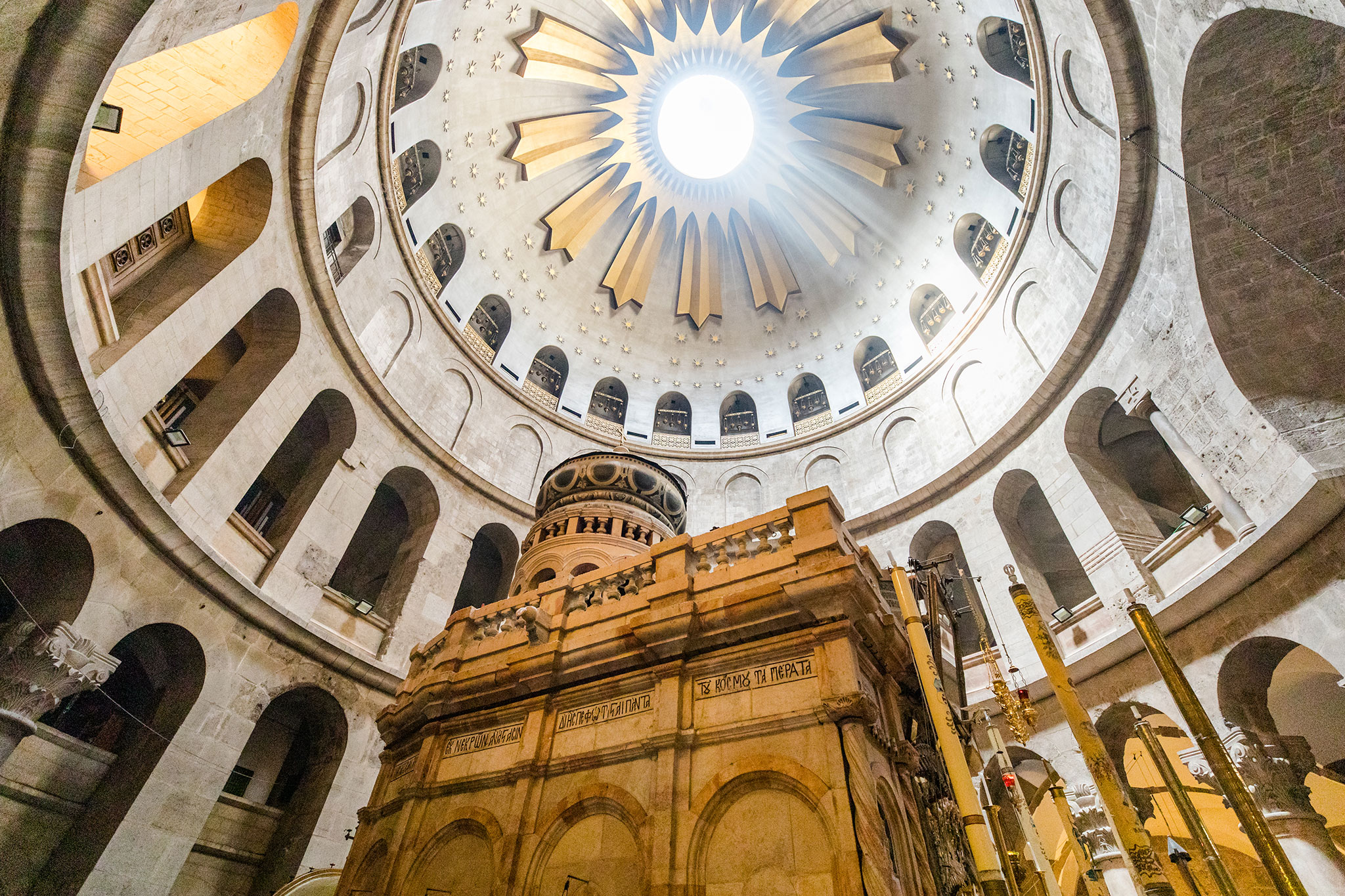
Excavations Beneath the Church of the Holy Sepulchre
Beneath one of Christianity’s holiest sites, archaeologists continue to study layers of history that predate the fourth-century church. Ongoing research beneath the Church of the Holy Sepulchre is helping scholars better understand the landscape of Jerusalem during the time of Jesus’ crucifixion and burial, offering rare insight into the physical setting of the Gospel accounts.
Excavations in Jerusalem’s Ancient Infrastructure
Across Jerusalem, archaeologists are still uncovering walls, streets and public works from the First and Second Temple periods. These projects are helping scholars better understand how ancient Jerusalem functioned socially, politically and spiritually during key biblical eras.
Shark Fishing
In early 2023, the Israel Antiquities Authority announced the discovery of a large bronze fish hook near the coastal city of Ashkelon. Measuring nearly three inches long, the hook was likely used to catch large fish—possibly even sharks. Dating back roughly 6,000 years, it is one of the oldest metal fish hooks ever discovered.
Fishing imagery appears throughout Scripture, from the livelihoods of Jesus’ disciples to Old Testament references such as Amos 4:2, reminding readers how deeply fishing was woven into daily life in the biblical world.
Ivory Fragments
In the fall of 2022, archaeologists in Jerusalem uncovered approximately 1,500 ivory fragments dating to the time of the First Temple. These fragments likely once decorated luxury furniture, providing insight into the craftsmanship and wealth described in passages like 1 Kings 10:18, which references Solomon’s ivory throne.
YHWH Inscription on Mount Ebal
In March 2022, a small lead tablet bearing an ancient Hebrew inscription was discovered at Mount Ebal, where Joshua built an altar (Joshua 8:30). Dated to the 13th century B.C., the tablet contains the divine name YHWH, making it the earliest known inscription of God’s name ever discovered.
2,700-Year-Old Toilet (City of David)
A 2021 excavation by the Israel Antiquities Authority and the City of David uncovered a seventh-century B.C. royal estate overlooking the Temple Mount. Among the finds was a rare private toilet—carved from stone and positioned above a deep septic pit—offering an intimate glimpse into daily life during the biblical period.

New Dead Sea Scroll Fragments
In a cave near the Dead Sea, a 2021 excavation revealed ancient coins, a prehistoric basket and Greek fragments of the biblical Books of Nahum and Zechariah. More than 80 scroll fragments—dating to the first century B.C.—were uncovered, marking one of the most significant biblical discoveries in decades.
While the discovery of Dead Sea Scroll fragments in the Judean Desert made headlines in recent years, continued scientific study—including improved imaging and analysis—has refined scholars’ understanding of how biblical texts were copied, preserved, and transmitted during the Second Temple period. These ongoing developments continue to affirm the antiquity and careful transmission of the Scriptures.

Pilgrim’s Road (City of David)
Discovered during infrastructure repairs in Jerusalem, the Pilgrim’s Road is a limestone pathway stretching more than a third of a mile. Archaeologists believe this was the main route Jewish pilgrims used to ascend from the Pool of Siloam to the Temple Mount during major festivals. The steps remain visible today, and the site opened to visitors in January, 2026.

Physical Evidence of Ancient Bethlehem
A small clay seal, or bulla, excavated in Jerusalem bears the inscription “From the town of Bethlehem to the King.” Dating to the eighth century B.C., it represents the earliest extra-biblical evidence of Bethlehem’s existence.

Hebrew Inscriptions Near the Sea of Galilee
A marble slab discovered near Lake Kinneret provides the first archaeological evidence of the ancient community of Kursi, traditionally associated with Jesus’ healing of the demon-possessed men (Matthew 8).
Magdala
On the western shore of the Sea of Galilee, ongoing excavations at Magdala, the hometown of Mary Magdalene, continue to shed light on life during Jesus’ ministry. Discoveries include a first-century synagogue, marketplace, residential buildings, frescoes, a harbor and a ritual purification bath.

These discoveries represent only a small glimpse of what awaits travelers in Israel. From a tiny clay seal to an entire first-century village, archaeologists continue to uncover artifacts that illuminate both the Old and New Testaments.
For many Christian travelers, encountering these discoveries in person deepens their understanding of Scripture and brings the biblical world into sharper focus.
Israel Tours
Ignite your faith while exploring some of the most iconic sites in Israel, where Jesus lived, worshiped and healed the sick.